
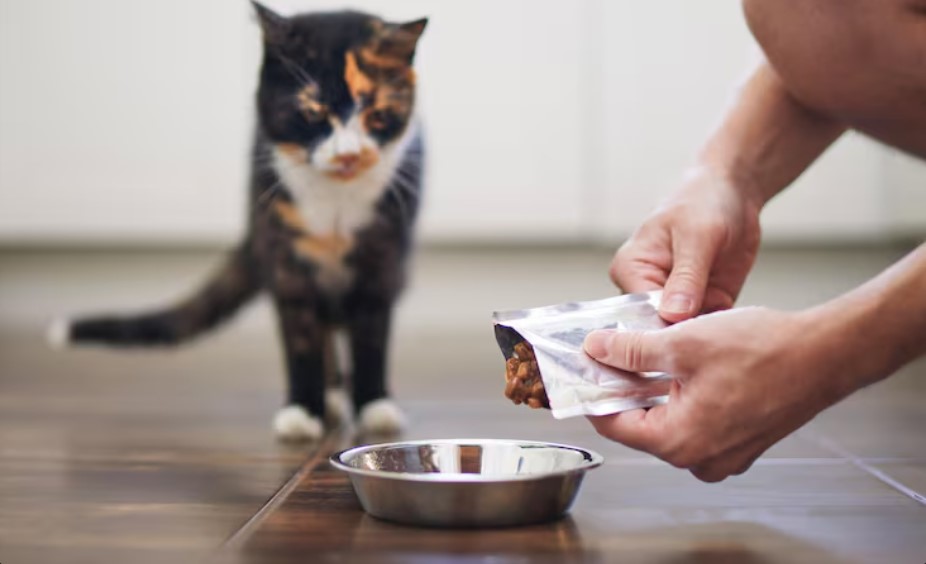
Choosing the healthiest wet cat food can feel confusing. One can promises high protein, another highlights natural ingredients, and a third claims total health support. Yet the front label does not tell you whether the food matches your cat’s age, weight, appetite, or medical needs.
These wet cat food reviews compare six strong choices using practical label details, including moisture, protein, calories, life stage, texture, and nutritional adequacy. The goal is not to name one perfect food for every cat. It is to help you choose the best wet cat food for the cat living in your home.
Table of Contents
-
What makes wet cat food healthy?
-
Quick product comparison
-
In-depth wet cat food reviews
-
How to choose the right recipe
-
How to change foods safely
-
Frequently asked questions
-
Next step
What Makes the Healthiest Wet Cat Food?
Start with the nutritional adequacy statement. The FDA explains that food labeled “complete and balanced” is intended to work as a pet’s sole diet. AAFCO adds that “complete” means required nutrients are present, while “balanced” means they appear in suitable ratios.
Use these five checks when comparing foods:
-
Life stage: Choose a formula for growth, adult maintenance, or all life stages.
-
Complete nutrition: Do not use a topper or supplemental food as the only daily meal.
-
Moisture and calories: High-moisture foods may help increase water intake, but lighter recipes may require larger portions.
-
Protein and fat: Compare foods on a dry-matter basis when possible because water changes the as-fed percentages.
-
Company standards: Consider nutrition expertise, manufacturing controls, finished-product testing, and access to detailed nutrient information.
WSAVA recommends looking beyond the ingredient list. It suggests checking whether the manufacturer employs qualified nutrition professionals, follows quality-control procedures, tests finished products, and can answer detailed nutrition questions.
How to Compare Protein Fairly
The protein number printed on a wet food label includes the food’s water content. This makes direct comparisons difficult.
To estimate dry-matter protein:
-
Subtract the moisture percentage from 100.
-
Divide the protein percentage by the remaining dry matter.
-
Multiply the result by 100.
For example, a recipe with 12% protein and 82% moisture contains about 66.7% protein on a dry-matter basis.
A higher number does not automatically make one food healthier. Your cat still needs the right balance of protein, fat, calories, vitamins, minerals, and moisture.
Healthiest Wet Cat Food Comparison
|
Product |
Best For |
Protein |
Moisture |
Main Strength |
|
Tiki Cat After Dark Chicken & Quail Egg |
High-protein adult diets |
12% |
82% |
Shredded meat and organ recipe |
|
Weruva Chicken Frick ‘A Zee |
Hydration and lighter meals |
10% |
85% |
High moisture and detailed mineral data |
|
Instinct Original Real Chicken Pâté |
Active cats and rich meals |
10% |
78% |
Higher-fat poultry pâté |
|
Wellness Complete Health Chicken Pâté |
Everyday pâté feeding |
10.5% |
78% |
Named poultry and guaranteed nutrients |
|
Purina Pro Plan Chunky Chicken |
Feeding-trial support |
11% |
78% |
AAFCO feeding-test statement |
|
Instinct Kitten Chicken Pâté |
Growing kittens |
12% |
78% |
DHA, taurine, and higher fat |
The figures above come from current manufacturer information. Recipes and package sizes can change, so always confirm the guaranteed analysis printed on the can or pouch before feeding.
In-Depth Wet Cat Food Reviews
1. Tiki Cat After Dark Chicken & Quail Egg
Best overall for: Adult cats that enjoy shredded meat.
Tiki Cat After Dark combines chicken, chicken broth, quail egg, chicken liver, gizzard, and heart. The recipe contains 12% protein, 2.4% fat, and 82% moisture. That equals about 66.7% protein on a dry-matter basis.
A 2.8-ounce can provides 66 calories, while a 5.5-ounce can provides 129 calories.
This healthiest wet cat food contender stands out because it combines muscle meat with nutrient-rich organ ingredients. The broth adds moisture, while the shredded texture may appeal to cats that refuse smooth pâté.
What we like:
-
High dry-matter protein
-
Chicken and organ ingredients
-
High moisture content
-
Grain- and potato-free formula
-
Available in two can sizes
What to consider:
The recipe is fairly light in calories. A large, active, or underweight cat may require several cans each day. That can increase the daily feeding cost.
2. Weruva Cats in the Kitchen Chicken Frick ‘A Zee
Best for: Cats that need more moisture or lighter meals.
Weruva Chicken Frick ‘A Zee lists chicken and chicken broth first. It provides 10% protein, 2.5% fat, and 85% moisture. A 3.2-ounce can contains 75 calories.
The food is labeled complete and balanced for adult cats. Weruva also publishes ash, calcium, phosphorus, magnesium, and taurine values. That extra information makes the product easier to compare with other foods.
Its estimated dry-matter protein is about 66.7%. This makes it one of the strongest high-protein options in these wet cat food reviews.
What we like:
-
Very high moisture
-
High dry-matter protein
-
Detailed mineral information
-
Chicken-based recipe
-
Several can sizes
What to consider:
A low-calorie recipe is not ideal for every cat. Thin cats, very active cats, or cats that eat only small amounts may struggle to consume enough daily calories.
3. Instinct Original Real Chicken Pâté
Best for: Active adult cats and cats that prefer a rich pâté.
Instinct Original Real Chicken Pâté contains chicken, turkey, chicken liver, and chicken broth before its plant ingredients and supplements. The recipe provides 10% protein, 8.5% fat, and 78% moisture.
Instinct states that 95% of the formula comes from chicken, turkey, and chicken liver. The current recipe does not contain grains, potato, corn, wheat, soy, gums, artificial colors, or artificial preservatives.
Its estimated dry-matter protein is about 45.5%. While that is lower than the first two products, its higher fat level makes the formula richer and more energy-dense.
What we like:
-
Named poultry ingredients
-
Chicken liver for added flavor
-
Higher fat for active cats
-
Smooth pâté texture
-
No gums listed in the current recipe
What to consider:
The higher fat level may not suit an indoor cat that gains weight easily. Measure portions rather than filling the bowl by sight.
4. Wellness Complete Health Chicken Entrée Pâté
Best for: Everyday feeding in households that prefer smooth pâté.
This recipe lists chicken, turkey, chicken broth, chicken liver, and chicken hearts near the top. It contains 10.5% protein, 8% fat, and 78% moisture.
Wellness also guarantees taurine, calcium, phosphorus, zinc, vitamin E, biotin, omega-3 fatty acids, and omega-6 fatty acids.
Its estimated dry-matter protein is approximately 47.7%. It does not match the dry-matter protein level of Tiki Cat or Weruva, but the higher fat content may make it more filling for cats that enjoy rich food.
What we like:
-
Named poultry and organ ingredients
-
Several guaranteed nutrients
-
Rich pâté consistency
-
Three available can sizes
-
Suitable for regular meal rotation
What to consider:
The formula uses cassia gum, xanthan gum, and guar gum. Most cats tolerate these ingredients, but shoppers looking for a gum-free recipe may prefer Instinct Original.
5. Purina Pro Plan Complete Essentials Chunky Chicken
Best for: Owners who value feeding tests and manufacturer research.
Purina Pro Plan Chunky Chicken contains 11% protein, 4% fat, 78% moisture, and 90 calories per can. Its estimated dry-matter protein is 50%.
Purina states that animal feeding tests using AAFCO procedures confirm that the recipe provides complete and balanced nutrition for adult maintenance.
The ingredient list includes chicken, meat by-products, liver, ocean fish, wheat gluten, turkey, soy ingredients, gums, added color, and carrageenan. These ingredients may not appeal to every shopper.
However, an ingredient that sounds less attractive is not automatically nutritionally poor. Feeding tests, nutrient balance, safety controls, and manufacturer expertise also deserve attention.
What we like:
-
AAFCO feeding-test support
-
Moderate calorie level
-
Strong dry-matter protein
-
Chunky texture
-
Broad retail availability
What to consider:
The food is not grain-free and includes added color and carrageenan. It may not suit owners seeking a shorter or simpler ingredient list.
6. Instinct Original Kitten Chicken Pâté
Best for: Growing kittens.
Kittens need food labeled for growth or all life stages. Instinct Kitten Chicken Pâté contains 12% protein, 8% fat, and 78% moisture. It also guarantees at least 0.15% taurine and 0.1% DHA.
The recipe uses chicken, chicken broth, beef liver, salmon, and egg product.
Its estimated dry-matter protein is about 54.5%. The higher fat content, DHA, taurine, and kitten-specific design make it a more suitable growth food than a recipe labeled only for adult maintenance.
What we like:
-
Designed for kitten growth
-
Higher protein and fat
-
Guaranteed DHA
-
Guaranteed taurine
-
Smooth texture for small mouths
What to consider:
The recipe contains several animal proteins. This provides variety, but it may not work for a kitten following a veterinarian-directed limited-ingredient diet.
How to Choose the Best Wet Cat Food
You do not need to become a pet nutrition expert to make a better choice. Use this simple decision process.
Match the Food to the Life Stage
Choose kitten food for growth and adult-maintenance food for healthy grown cats. An all-life-stages food may also work, but the feeding amount may differ.
Do not assume that every expensive or premium-looking can works for every age.
Confirm Complete and Balanced Nutrition
Check the nutritional adequacy statement. Foods labeled for supplemental or intermittent feeding should not normally replace a complete daily diet.
Broths, toppers, and complementary foods can add flavor and moisture. They simply may not provide every nutrient needed for long-term feeding.
Match Calories to Body Condition
Does your indoor cat gain weight easily? A lighter, broth-heavy recipe may make portion control easier.
Does your cat walk away after eating only a few bites? A richer pâté may provide more calories in a smaller serving.
The healthiest wet cat food should help your cat maintain a suitable body condition without constant hunger or unwanted weight gain.
Respect Your Cat’s Texture Preferences
Nutrition does not help when your cat refuses the bowl.
Test a few textures before ordering a large case:
-
Smooth pâté
-
Minced meat
-
Shredded meat
-
Chunks in gravy
-
Mousse
A cat that ignores pâté may happily eat shredded chicken, even when the two foods have similar nutrition.
Seek Veterinary Help for Medical Conditions
A general list of the best wet cat food cannot replace a therapeutic diet.
Cats with kidney disease, urinary problems, diabetes, severe food sensitivities, or another diagnosed condition need an individualized nutrition plan. WSAVA recommends working with the veterinary team to match food to the specific animal.
How to Change Wet Cat Food Safely
Avoid changing the entire diet overnight. A sudden switch may lead to food refusal or digestive discomfort.
Weruva recommends changing foods gradually over about seven days, while Purina suggests a seven-to-ten-day transition.
Try this schedule:
-
Days 1 and 2: Feed 75% old food and 25% new food.
-
Days 3 and 4: Feed equal amounts of both foods.
-
Days 5 and 6: Feed 25% old food and 75% new food.
-
Day 7 onward: Feed the new food.
Slow the process if your cat has a sensitive stomach. Contact your veterinarian if your cat stops eating, vomits repeatedly, develops ongoing diarrhea, or appears unwell.
Make the Next Meal a Smart Test
Do not purchase a large case simply because a product appears at the top of a healthiest wet cat food list.
First, confirm the correct life stage and complete-and-balanced statement. Then compare calories, moisture, protein, fat, and texture.
Purchase a few cans and watch your cat’s response. A suitable recipe should support steady body condition, normal stools, reliable appetite, and a healthy-looking coat.
Once you find the best wet cat food for your cat, set a consistent portion, track body weight, and review the feeding plan during regular veterinary visits.
Frequently Asked Questions
Is Wet Cat Food Healthier Than Dry Cat Food?
Wet food contains more moisture and may help increase a cat’s water intake. However, overall health depends on nutritional balance, calories, life-stage suitability, portion size, and the individual cat.
A complete and balanced dry food can also support good health.
What Should the First Ingredient Be?
Many owners prefer a named animal ingredient such as chicken, turkey, beef, or salmon.
Still, do not judge food by its first ingredient alone. Review the nutritional adequacy statement, guaranteed analysis, calorie content, manufacturer standards, and your cat’s response.
Is Grain-Free Wet Cat Food Always Healthier?
No. Grain-free only describes what the food leaves out.
It does not prove that the recipe has better nutrient balance, stronger quality control, more animal protein, or the correct calorie level. Choose grain-free food when it fits your cat’s needs, not simply because the phrase sounds healthier.
How Much Wet Food Should a Cat Eat?
Use the package feeding guide as a starting point. Adjust the amount based on your cat’s weight, activity level, age, treats, body condition, and any dry food fed.
Always check calories. Two cans of the same size can contain very different calorie amounts.
Can Cats Rotate Between Several Wet Foods?
Many healthy cats can eat a planned rotation of complete and balanced recipes.
Introduce each food gradually. Track appetite, stool quality, body weight, skin, and coat. Cats with food sensitivities or medical conditions may need a more controlled feeding plan.
